California sports fans have always treated numbers like trash talk with a calculator. A Lakers spread is never just a spread. A Dodgers win total is never just a win total. A 49ers futures price can feel like a referendum on Brock Purdy’s arm, Kyle Shanahan’s fourth-quarter demons, and every Bay Area group chat that still believes one more healthy January fixes everything.
That is what makes betting markets so useful for fans, even in a state where regulated online sports betting still has not launched. California fans may not have licensed statewide sportsbook apps in their pockets, but lines, props, totals, and futures still shape the way fans talk about teams. They turn perception into a number. They tell us which stars move the market, which rosters earn public trust, and which fan bases are living on vibes with a side of caffeine.
For readers tracking legal context, app availability, and market options, we maintain a current California sportsbook apps guide that explains the state’s betting status and how fans compare available platforms.
California has the country’s biggest sports buffet: Lakers, Clippers, Dodgers, Angels, Rams, Chargers, Warriors, Kings, Sharks, 49ers, Giants, A’s, USC, UCLA, Stanford, Cal, San Diego State, Fresno State, and a high school scene that can make a Friday night feel like a municipal emergency. Lines are the shorthand for all of it.
Why California Fans Watch Lines Even Without Legal Statewide Sportsbooks
The first thing to get straight: California sports betting remains outside the fully regulated online sportsbook setup that exists in states like New York, New Jersey, Arizona, and Nevada. In 2022, California voters rejected two sports betting ballot measures, leaving the state without licensed statewide sports betting apps. As of June 2026, that legal gap still shapes the fan experience.
That does not mean California fans ignore the market. They read spreads on national broadcasts. They hear prop talk on podcasts. They see futures prices attached to the Lakers, Dodgers, Warriors, 49ers, Rams, and Chargers every offseason. Betting language has seeped into sports conversation the same way “load management” entered NBA arguments and “exit velocity” invaded baseball broadcasts.
The smarter way to use the lines is not to treat them like prophecy. Markets miss. Public money gets loud. Injuries break math. Coaches do strange things under bright lights. The value for California fans is reading what the number says about reputation, roster shape, star trust, depth, matchup pressure, and public bias.
A spread tells you what the market expects. A prop tells you where player usage is likely to land. A future tells you how much faith the market has in a long season. A total tells you whether pace, pitching, quarterback play, bullpen depth, or defensive health is setting the thermostat.
In California, that means every number comes with local theater.
Spreads Are Market Respect With A Jersey On
The point spread is the cleanest fan temperature check. It asks a simple question: how much better is Team A than Team B on this night, in this building, with this injury report, on this schedule spot?
For Los Angeles teams, spreads often carry brand tax. The Lakers can draw public attention even when the roster is creaking. LeBron James still changes the way casual fans price a game, and Luka Dončić in purple and gold gives oddsmakers a nightly star-power problem. A Lakers spread can move on injury news, rest reports, lineup balance, or simple national attention. That is the price of being the league’s biggest soap opera with sneakers.
The Clippers are different. Their numbers tend to depend less on public romance and more on availability, shot creation, and defensive matchup math. Fans may not flood the market with the same emotional volume, but a healthy Clippers rotation can earn respect fast. The spread usually asks whether their half-court shot profile can travel and whether their stars can avoid the late-clock mud pit.
The Warriors remain their own oddsmaking puzzle. Stephen Curry turns almost any spread into a stress test. Add Jimmy Butler III and Draymond Green to the frame, and the market has to weigh experience, playoff scar tissue, defensive IQ, age, spacing, and late-game shot-making all at once. The Warriors’ 2025-26 roster picture has leaned veteran-heavy, with Curry still central and Butler entering his first full season with Golden State. That makes Warriors spreads feel less like regular math and more like a debate over how much old championship muscle still has left.
NFL spreads are even more revealing. A 49ers line tends to carry trust in Shanahan’s system, Christian McCaffrey’s versatility, George Kittle’s mismatch value, Fred Warner’s defensive command, Nick Bosa’s pressure, and Purdy’s timing-based passing game. If San Francisco is favored by less than expected, the market may be nervous about offensive line health, receiver depth, or road setting. If the number climbs, the market may be pricing the 49ers as the sharper, more complete operation.
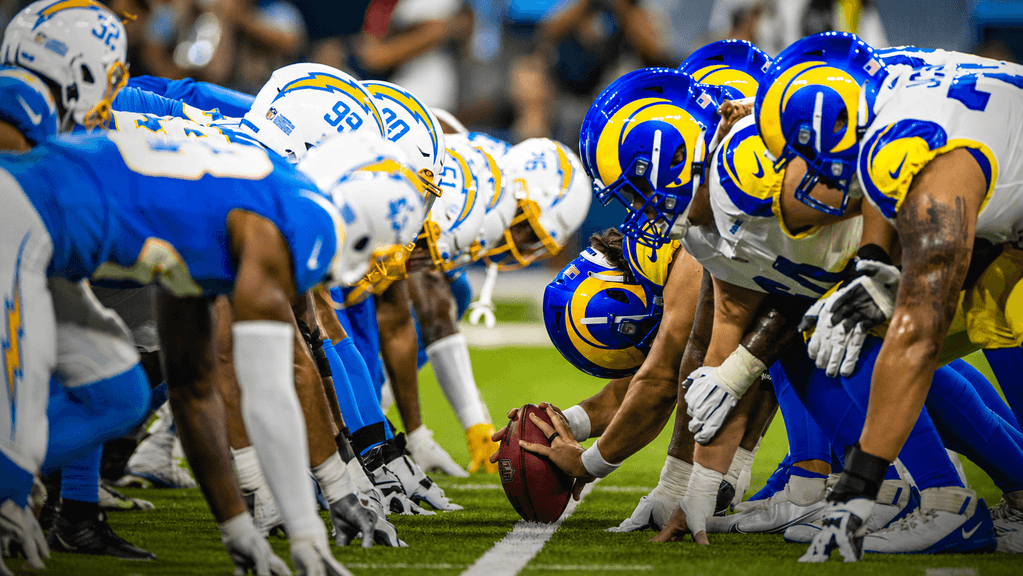
The Rams and Chargers give Los Angeles two different spread personalities. The Rams under Sean McVay usually get respect for quarterback structure, receiver detail, and offensive sequencing. Matthew Stafford and Puka Nacua can turn a matchup into an efficiency problem fast. The Chargers, led by Justin Herbert, tend to draw interest when the line suggests a quarterback edge, improved receiver timing, or a matchup where their pass game can dictate tempo.
| Team | What The Spread Often Says | Fan Translation |
|---|---|---|
| Lakers | Star power, injury status, public attention | “Does the market trust the names or the actual rotation?” |
| Warriors | Curry gravity, veteran trust, late-game shot-making | “How much magic is still priced in?” |
| Clippers | Health, half-court efficiency, defensive matchups | “Can they win ugly without blinking?” |
| 49ers | System strength, defensive pressure, roster balance | “Is this a Shanahan control game?” |
| Rams | Stafford command, McVay planning, receiver separation | “Can LA script the game before halftime?” |
| Chargers | Herbert edge, offensive rhythm, protection | “Will the quarterback finally get a clean runway?” |
| Dodgers | Starting pitching, bullpen depth, lineup force | “Is this a routine win or a trap with palm trees?” |
| Giants | Pitching variance, run prevention, situational hitting | “Can San Francisco turn low scoring into a knife fight?” |
Player Props Tell Fans Who The Offense Really Trusts
Spreads talk about teams. Props talk about usage. That is where fans can learn the good stuff.
A LeBron assists prop tells you whether the market expects him to control the half court or lean more into scoring bursts. A Dončić points-rebounds-assists number tells you whether the Lakers are expected to run the offense through his hands from the first possession. A Curry three-pointers prop tells you whether pace, opponent coverage, and Golden State’s screening rhythm are expected to feed the flamethrower.
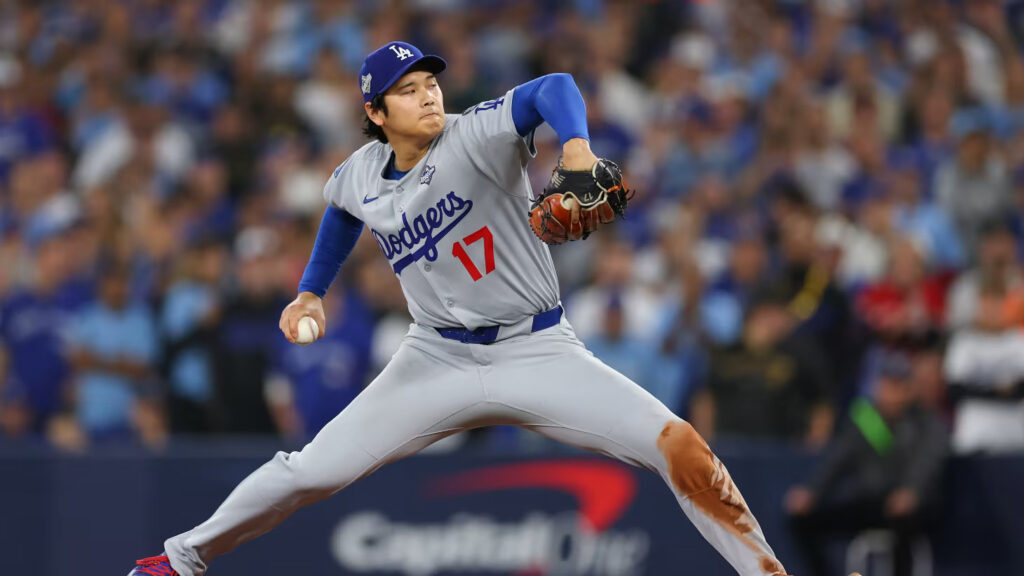
Props are especially useful in California because so many teams are built around famous engines. Shohei Ohtani props force the market to weigh plate discipline, power, matchup handedness, pitching workload, and Dodgers lineup depth. Mookie Betts and Freddie Freeman props say a lot about game script. A Dodgers hitter prop can spike if the opposing starter has poor command, if the bullpen is thin, or if the lineup stack behind him raises plate-appearance value.
For the 49ers, McCaffrey props are usually a referendum on game control. High rushing plus receiving expectations suggest San Francisco expects to dictate terms. Kittle receiving props can hint at whether the opponent struggles with tight ends or whether the game plan will attack linebackers. Brandon Aiyuk, Ricky Pearsall, Jauan Jennings, and other receiver usage questions can show up in yardage numbers before they show up in fan panic.
Chargers props orbit Herbert and his receiver room. Ladd McConkey’s production after his first two NFL seasons has given fans a clear market signal: the Chargers have a real timing piece, not just a stat-sheet passenger. Quentin Johnston, Tre Harris, Derius Davis, and the rest of the receiver group add volatility, but Herbert’s arm can turn any reasonable prop into a fourth-quarter sweat.
Props should be read less like guarantees and more like role reports. If a player’s number rises across the week, the market may be catching an injury edge, a matchup edge, or a usage clue. If a number drops, it may signal weather, defensive matchup concern, minutes limits, bullpen strategy, or simple public overreaction getting corrected.
Futures Prices Separate Real Belief From Fan Noise
Futures are where California optimism goes to either mature or get roasted.
A championship future, division price, playoff price, win total, or MVP number is a long-form argument. It does not care about one clean highlight clip. It asks whether the roster has enough depth, whether the star can stay available, whether the coaching staff can solve playoff counters, and whether the path through the league is survivable.
The Dodgers often sit near the front of futures conversations because their roster is built like a luxury hotel that happens to hit baseballs into orbit. Ohtani, Betts, Freeman, Will Smith, Teoscar Hernández, Yoshinobu Yamamoto, Roki Sasaki, and a deep organizational machine make the Dodgers a constant market force. Their futures price rarely offers the underdog thrill. It usually reflects expectation pressure. Fans are not asking if the Dodgers are good. They are asking whether anything short of a parade feels like a waste.
The 49ers futures market tends to price structure. San Francisco’s best version has a ruthless identity: motion, yards after catch, pass rush, linebacker speed, and Shanahan’s chessboard offense. The risk is the familiar one. Health, late-game execution, and playoff pressure can turn a great regular-season profile into a winter headache.
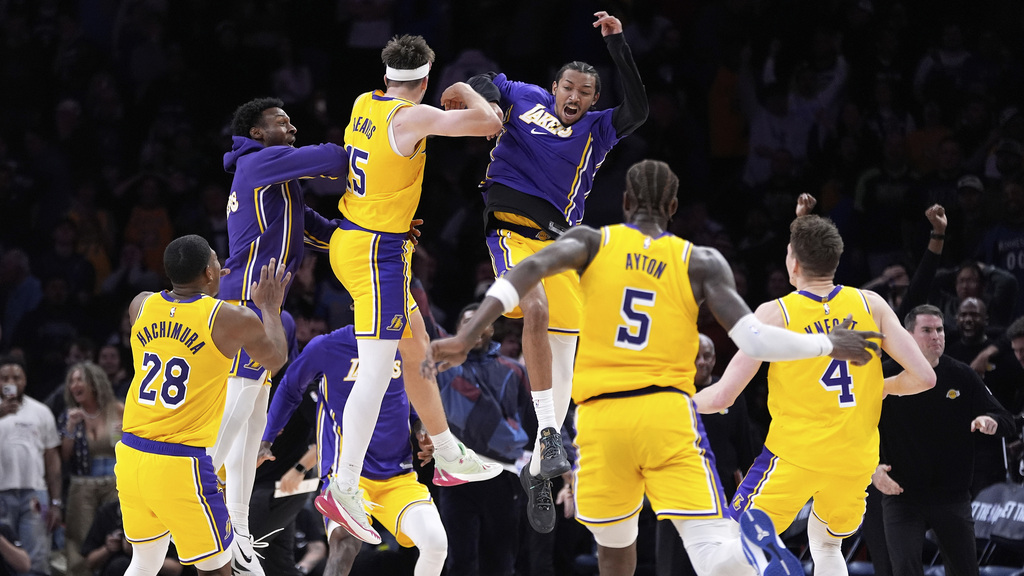
The Lakers futures market is star-driven. Dončić and LeBron create oxygen immediately. A single price can tell fans how much the market trusts the supporting cast, rim protection, perimeter defense, shooting, and age curve. If the Lakers carry a shorter number than their depth suggests, that is the brand and star tax talking. If the price drifts, the market may be demanding more proof than the jersey can provide.
The Warriors’ futures price is usually a philosophical argument. Curry keeps the ceiling alive. Butler and Green add toughness and decision-making. The question is whether the floor holds up over 82 games before the postseason asks for younger legs. A short price says the market still fears their closing punch. A longer price says nostalgia is not enough to beat younger, deeper teams four times in seven games.
Totals Reveal Tempo, Pitching, And Defensive Trust
Totals do not get as much fan drama as spreads, but they can be more honest.
In NBA games, the total is a read on pace, shooting quality, transition chances, and defensive commitment. Lakers totals can rise when Dončić is expected to control a high-usage offense, or when the matchup invites fast possessions. Warriors totals can swing based on Curry’s availability, spacing, and opponent coverage. Clippers totals may sit lower in matchups where half-court possessions grind down the shot clock.
NFL totals tell a different story. A 49ers total can reflect whether the market expects Shanahan to create explosive run-after-catch chances or grind the game through McCaffrey and defense. Rams totals may climb when Stafford, Nacua, and McVay face a secondary that cannot survive layered route concepts. Chargers totals often depend on Herbert protection, game script, and whether the defense can stop turning shootouts into cardio marathons.
MLB totals are even more matchup-specific. Dodgers totals can look high when the lineup faces a shaky starter or a taxed bullpen. Giants totals often depend on pitching environment, ballpark factors, and whether San Francisco can manufacture runs without needing a three-run thunderbolt. Angels totals can get wild when pitching uncertainty meets power bats and bullpen fatigue.
Fans who read totals well can spot the real story before the broadcast crew gets there. A spread may say which team is better. A total says what kind of game the market expects.
LA And Bay Area Teams Carry Different Market Personalities
Los Angeles teams get priced through celebrity, pressure, and expectation. Bay Area teams get priced through systems, identity, and memory. That is a broad brush, but it fits more often than fans on either side want to admit.
The Lakers and Dodgers move like national brands. Their lines can reflect casual money, star gravity, and massive public attention. The Rams and Chargers sit in a tougher football market, but Stafford, Herbert, McVay, Nacua, and the AFC/NFC playoff race keep them visible. The Clippers carry less emotional inflation, which can make their numbers feel cleaner when the roster is healthy.
The Bay Area side leans into a different kind of market respect. The Warriors are still Curry’s team until the scoreboard files a formal objection. The 49ers are priced as a system monster when healthy. The Giants often need run prevention and matchup edges to shift perception. The A’s, now separated from the old Oakland identity, carry a different fan-market conversation altogether, one shaped by relocation, roster development, and trust damage that does not vanish with a new cap logo.
| Market Type | LA Read | Bay Area Read |
| Spreads | Brand heat, star status, public attention | System trust, matchup discipline, defensive identity |
| Props | Usage around famous stars | Role clarity inside structured schemes |
| Futures | Championship-or-bust pressure | Ceiling tied to health, coaching, and veteran cores |
| Totals | Star pace, lineup depth, offensive expectation | Tempo control, pitching/defense, possession quality |
The point is not that one region is smarter. The point is that lines expose how each fan base gets viewed from the outside. LA gets priced for spectacle. The Bay gets priced for structure. Both can be right. Both can get hilarious by halftime.
How Smart California Fans Should Read The Next Number
The sharpest fan move is not chasing every line that looks rude to your team. It is asking why the number exists.
If the Lakers are small favorites against a team they should hammer on paper, check rest, defensive matchup, bench minutes, and injury reports. If the Warriors are catching points despite Curry being active, ask whether the opponent can punish their size or speed. If the Dodgers are heavy favorites, look at the opposing starter, bullpen availability, catcher status, and travel spot. If the 49ers are laying a big number, ask whether their pass rush can close the back door before garbage time gets weird.
For props, think role before talent. Great players can miss props in the wrong game script. Secondary players can smash numbers if injuries shift touches, targets, minutes, or plate appearances. For futures, think path. A great team with a brutal playoff road may carry less value than a slightly less glamorous roster with cleaner matchups.
California fans do not need a betting slip to read the market. The line itself is the argument. The spread says what the public and oddsmakers believe right now. Props tell you where usage is expected to land. Futures reveal which teams have earned long-term trust. Totals tell you whether the game script smells like a track meet, rock fight, bullpen circus, or prime-time chess match with nachos.
That is the fun of it. Every number is a scouting report in disguise.
The Lakers and Warriors will always bend markets because stars bend attention. The Dodgers and 49ers will keep getting priced like machines until injuries or October ghosts say otherwise. The Rams and Chargers will swing with quarterback trust, roster health, and whether their divisions give them breathing room. The Giants, Clippers, Kings, Sharks, Angels, Padres, USC, UCLA, Stanford, Cal, and San Diego State each bring their own betting-language tells.
California fans already argue like oddsmakers. The line just gives the argument a scoreboard before the scoreboard.