California knows how to turn a game into a full-day experience. A Rams Sunday in Inglewood is never just four quarters. A 49ers home game in Santa Clara is never just a kickoff. A Lakers playoff night, Dodgers October game, USC rivalry week, or statewide high school championship weekend becomes something larger than the scoreboard.
That is why World Cup 2026 should land differently here.
When the tournament comes to California, the story will not stop at SoFi Stadium or Levi’s Stadium. It will spread into watch parties, sports bars, transit hubs, fan festivals, hotel corridors, youth soccer fields, second-screen score tracking, and the kind of statewide sports conversation that pulls in casual fans as quickly as diehards. California matchdays are about to become civic events, not just stadium events.
The scale matters. World Cup 2026 will run from June 11 to July 19 across the United States, Mexico, and Canada, with 48 teams and 104 matches. Los Angeles is scheduled to host eight matches, including group-stage games, two Round of 32 matches, and a quarterfinal. The San Francisco Bay Area is scheduled to host six matches at Levi’s Stadium, including five group-stage games and one knockout-stage match.
For California fans, that means the tournament will feel less like something watched from afar and more like something happening in the neighborhood, on the freeway, across the group chat, and inside every packed room with a screen.
California Gets Two Very Different World Cup Stages
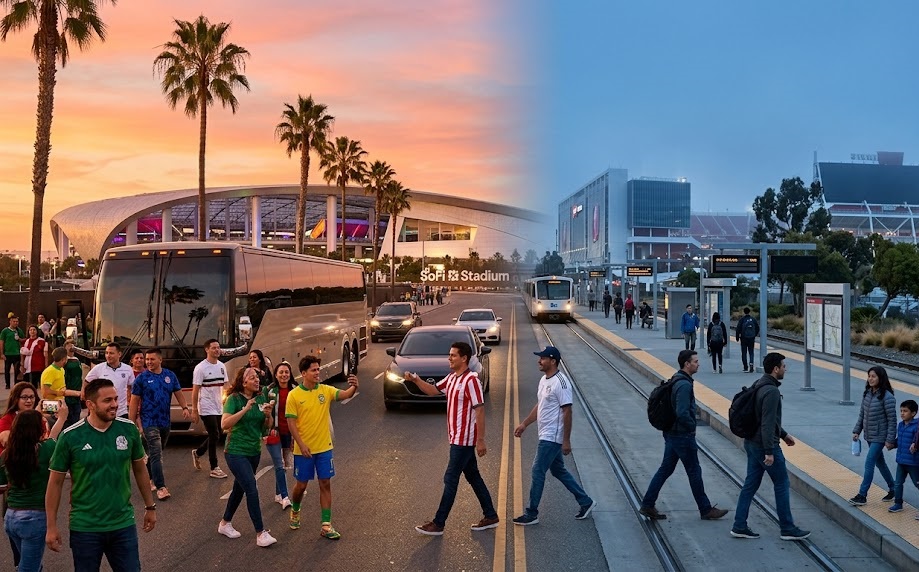
The beauty of California’s World Cup role is that it will not have one single personality.
Los Angeles will bring the global spotlight, celebrity gravity, modern stadium energy, and a venue built for spectacle. SoFi Stadium in Inglewood already feels like a national sports stage because of the Rams, Chargers, Super Bowl LVI, major concerts, and massive event infrastructure. When World Cup crowds arrive, the atmosphere should feel like a mix of international festival and American mega-event.
The Bay Area will bring a different kind of energy. Levi’s Stadium in Santa Clara is tied to 49ers culture, Silicon Valley logistics, South Bay soccer families, and a broader Northern California fan base that understands big-event sports from both a local and global angle. It will not simply mirror Los Angeles. It will create its own version of World Cup matchday, shaped by transit patterns, tech-sector crowds, international communities, and Bay Area sports identity.
That contrast is what makes California’s role so interesting. The same tournament will produce two different matchday cultures inside one state.
| California World Cup 2026 Venue | Matchday Identity |
|---|---|
| SoFi Stadium, Inglewood | Big-event spectacle, national spotlight, entertainment-driven energy |
| Levi’s Stadium, Santa Clara | Bay Area fan culture, tech-region logistics, 49ers-linked stadium familiarity |
| Los Angeles Matchdays | Tourism, celebrity attention, international crowds, major fan gatherings |
| Bay Area Matchdays | Regional pride, transit planning, local soccer families, Northern California turnout |
For fans who normally follow football, basketball, baseball, or college sports, this is the key point: World Cup matchdays will behave like championship weeks. They will reshape traffic, conversations, local business, viewing habits, and the rhythm of the sports calendar.
Why The Stadium Is Only The Center Of The Map
A World Cup match begins long before the opening whistle.
It starts when fans decide whether to drive, ride transit, meet friends early, find a watch party, track lineups on their phones, or follow other group-stage results that affect the stakes of the match in front of them. That is what separates the World Cup from a normal one-off event. Every match sits inside a larger tournament map.
A California fan attending a match in Inglewood may also be watching what happens in Mexico City, New York/New Jersey, Dallas, Miami, or Vancouver because the knockout bracket can shift quickly. A Bay Area fan watching at home may still care about a Los Angeles result because it could shape a future matchup or determine which team returns to California later in the tournament.
That is why the tournament becomes bigger than the venue. The stadium is the centerpiece, but the experience stretches across every screen and every conversation.
For California-SportsFans.com readers, this connects directly to the way we already follow statewide sports calendars. A single Friday night football result can change rankings. One rivalry game can reshape playoff seeding. One injury update can change the emotional read of a season. For fans tracking match windows and viewing options, a strong California sports streaming guide becomes part of the same ecosystem.
World Cup 2026 will multiply that feeling. Instead of one local scoreboard, fans will follow a global scoreboard with California as one of the main viewing hubs.
The Sports Economy Around Matchdays Will Be Everywhere

The World Cup does not only affect players and fans. It affects nearly every layer of the sports economy around them.
Hotels, restaurants, bars, streaming platforms, score apps, merchandise vendors, local transit systems, media outlets, security teams, event planners, and sportsbooks all respond when a tournament of this scale arrives. That does not mean every California fan is thinking about the business side while watching a match, but the business side helps explain why the event feels bigger than a normal game.
The global sports industry understands that World Cup attention behaves differently. It is concentrated, emotional, international, and highly reactive. One upset can move global conversation. One star performance can turn a player into a household name. One late goal can flood social media, betting markets, sports bars, and newsrooms at the same time.
That is why industry-wide preparation matters. As World Cup sportsbook preparation shows, the tournament forces sports platforms to think differently about volume, audience behavior, live-event demand, and responsible engagement around a global stage.
For California, that broader sports economy will be visible even to fans who never place a bet. It will show up in crowded viewing spaces, expanded coverage, live score alerts, team previews, influencer content, hospitality packages, and the way casual fans suddenly want context before kickoff.
California Matchdays Will Feel Like A Festival And A Test
The fun part is obvious. World Cup crowds bring color, noise, flags, songs, jerseys, face paint, languages, and traditions that can turn a normal matchday into something closer to a street-level celebration.
The harder part is logistics.
California already knows how complicated big-event movement can be. Inglewood traffic is not a casual detail. Santa Clara transit planning is not something fans can ignore. A World Cup matchday will require coordination between stadium operations, local governments, public safety agencies, transportation networks, and fans who may not know the region well.
That means matchdays will become both a celebration and a stress test.
Can visitors move efficiently from airports and hotels to stadium areas? Can local businesses absorb sudden crowd surges? Can fans find reliable information about kickoff times, security rules, viewing zones, and nearby events? Can California cities turn global attention into a smooth fan experience rather than a logistical headache?
Those questions matter because World Cup 2026 will be judged not only by the matches but by the experience around them. A great match can still leave a frustrating memory if transportation collapses. A packed fan festival can become a statewide highlight if it feels safe, organized, and easy to navigate.
Why Casual Fans Will Be Pulled Into The Tournament
One reason World Cup matchdays feel different is that they invite people who do not normally follow soccer every week.
That matters in California, where sports identity is already layered. A fan may primarily follow the 49ers, Lakers, Dodgers, Warriors, USC, UCLA, or local high school football, but the World Cup creates a temporary common language. People who do not know club soccer standings may still know the U.S. men’s national team. They may recognize Argentina, Brazil, Mexico, England, France, Spain, Germany, or Portugal. They may not watch European leagues every weekend, but they understand national pride, knockout stakes, and the tension of a short tournament.
That is where California’s normal sports instincts help.
Fans understand momentum. They understand injuries. They understand home-field energy. They understand what it means when a team looks nervous early or composed late. They understand why one result can change everything.
World Cup 2026 will reward that kind of viewing. A casual fan does not need to know every tactical term to understand when a team is under pressure, when a crowd is shifting, or when a substitution changes the match. Soccer may be global, but the emotional rhythm of tournament sports is familiar.
Youth Soccer Could Be One Of The Biggest Local Winners
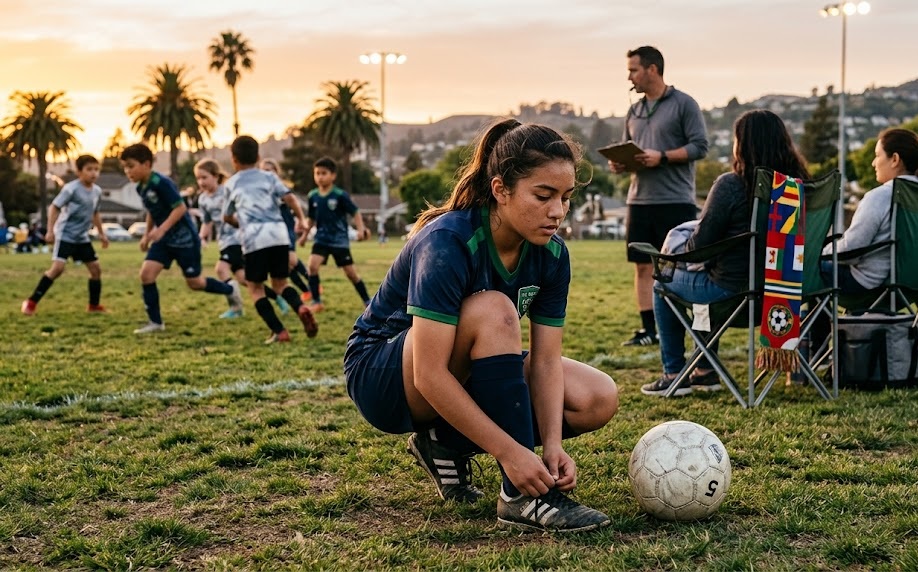
The most lasting effect may not happen inside SoFi Stadium or Levi’s Stadium. It may happen on youth fields across California.
Major international tournaments tend to inspire young players because they make the sport feel close. A child watching a World Cup match in California can connect the global game to a real place they recognize. That has power. It turns the tournament from something on television into something that happened near home.
California already has a massive youth soccer base, with communities across Los Angeles, Orange County, the Central Valley, the Bay Area, San Diego, Sacramento, and the Inland Empire. World Cup 2026 can deepen that connection by giving families a reason to watch together, attend events, join local soccer programs, and treat the sport as part of the state’s mainstream sports culture.
That is where the impact goes beyond one summer. A packed stadium is temporary. A young athlete who decides to take the game more seriously can change the local sports pipeline for years.
The tournament can also give high school athletes, club coaches, trainers, and parents a shared reference point. Instead of talking about soccer as a niche sport, they can talk about it as something California helped host on the biggest stage in the world.
What California Fans Should Watch Beyond The Score
The best way to follow World Cup 2026 is to treat every matchday as a full sports ecosystem.
Watch the crowd as much as the scoreboard. Watch how the city moves before and after kickoff. Watch which teams bring the loudest traveling support. Watch how bars and public viewing spaces fill for matches that do not involve the United States. Watch how quickly casual fans learn the stakes of goal difference, group standings, and knockout paths.
Those details will tell the real story of California’s World Cup summer.
The matches will provide the drama, but the culture around them will reveal the deeper impact. If Los Angeles and the Bay Area turn matchdays into statewide events, the tournament will not simply pass through California. It will leave behind new habits, new fans, new memories, and a clearer sense that soccer belongs inside the state’s wider sports identity.
That is why World Cup 2026 will be more than a stadium event here. It will be a California sports moment — loud, complicated, international, local, and impossible to separate from the fans who turn games into something bigger.