XC Golden State gives California action-sports fans something they have rarely had: a winter team built around a recognizable regional identity rather than one weekend of individual competition. The franchise arrives in a state where the legal sports-betting picture remains restrictive, making this separate guide to what California bettors can and can’t do right now useful for readers following the commercial side of sports. The club’s more immediate opportunity lies in connecting the Bay Area’s audience and sponsorship base with Lake Tahoe’s established skiing and snowboarding culture.
Announced on August 4, 2026, the new X Games League franchise will represent the Bay Area and Lake Tahoe when the league launches its first winter season in 2027. The ownership group led by Accel partner Jonathan Turner enters with the first selection in the inaugural winter draft on September 16.
That draft position gives XC Golden State an early opportunity to define its roster, regional character and relationship with fans stretching from San Francisco through Sacramento and into the Sierra Nevada.
The franchise is still a concept rather than a mature California team. No Lake Tahoe competition has been announced, its roster remains empty and the winter schedule has not been released. The underlying idea still carries unusual potential. The Bay Area offers media reach, commercial partners and a large sports audience. Lake Tahoe supplies the mountain culture, winter-sports credibility and athlete connections needed to keep the club from feeling like a branding exercise.
A Regional Club Changes How Fans Can Follow X Games
Traditional X Games events have centered on individual athletes, medals and signature performances. Fans followed snowboarders, skiers, skateboarders and BMX riders rather than permanent teams connected to their region.
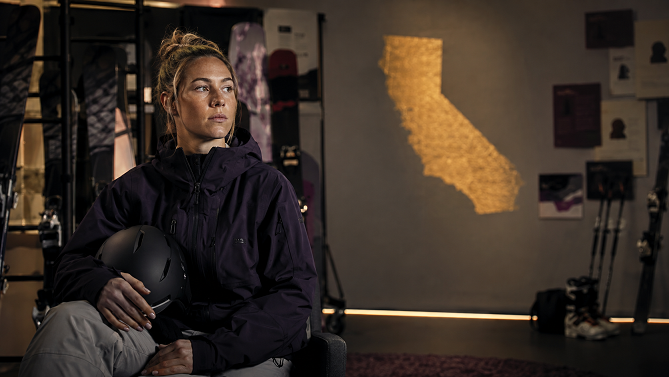
The X Games League format changes that structure. Athletes compete for regionally based clubs across multiple stops, accumulate points and pursue a team championship. The winter league will feature skiing and snowboarding, with each club carrying athletes from both sports.
The summer league provided the first test during 2026. Four clubs representing Los Angeles, New York, São Paulo and Tokyo competed through stops in Sacramento, Chiba and New Orleans. Each team had a 10-athlete roster, creating recurring standings and club storylines alongside the individual medal events that remain central to X Games competition.
XC Golden State can apply that model to a California winter audience. A fan from Oakland may follow Eileen Gu, Jamie Anderson or another favorite athlete under the traditional system. A regional club creates another reason to follow every event, check team points, watch athletes from unfamiliar disciplines and remain interested between major competitions.
That recurring connection is the real business test. A California-branded club cannot rely on the X Games name alone. It needs recognizable athletes, frequent content, clear schedules and a sense that Northern California fans are represented even when competitions take place in Colorado, Utah or another winter destination.
The First Draft Pick Creates An Immediate Identity Decision
XC Golden State will make the first selection when the winter draft begins at Cosm Los Angeles on September 16, 2026. More than 180 skiers and snowboarders entered the draft pool, but only 40 are expected to be selected across four clubs.
Each general manager will draft five women and five men through five rounds. Every roster must include both skiing and snowboarding. Undrafted athletes can still compete as free agents or serve as injury replacements during the three-stop 2027 season.
Fans can follow the official winter draft through ESPN platforms, Roku Sports and the X Games YouTube channel.
The first pick gives Golden State control over the league’s opening winter storyline. The club could select the best available athlete without regard to geography. It could choose a California-connected star who gives fans an immediate emotional entry point. It could build around one discipline and use later rounds to balance the roster.
Eileen Gu and Jamie Anderson make that discussion more compelling. Gu was born in San Francisco and has won three X Games gold medals across Ski SuperPipe and Slopestyle. Anderson was born in South Lake Tahoe and has earned 21 X Games medals, including eight golds, across one of the longest careers in women’s snowboarding.
Both were named X Games League founder athletes and are eligible to be drafted, but neither is guaranteed to join Golden State.
A roster made entirely of local names would limit the club’s competitive options. A roster with no California connection could weaken the Golden State identity before the season begins. The front office needs a credible balance: global talent capable of winning points, paired with athletes who can appear at Bay Area events, Tahoe clinics, sponsor activations and community programs.
Why The Bay Area–Tahoe Corridor Makes Sporting Sense
The franchise name joins two parts of Northern California that serve different roles in a winter-sports economy.
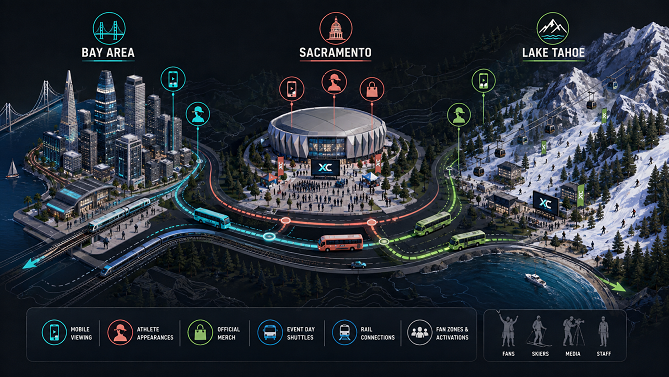
| Regional Component | What It Gives XC Golden State | Main Challenge |
|---|---|---|
| San Francisco Bay Area | Large fan base, media reach, sponsors and content partners | Building interest in a market crowded with major professional teams |
| Sacramento | A central event market between the Bay Area and Sierra Nevada | Turning one-time X Games attendance into lasting club loyalty |
| Lake Tahoe | Winter-sports credibility, mountain venues and athlete culture | Travel, weather, congestion and environmental pressure |
| Digital Audience | Year-round access beyond physical event locations | Producing enough team content between competitions |
The Bay Area brings scale. Its sports market already supports NFL, NBA, MLB, NHL, MLS and WNBA teams, yet winter action sports occupy a different calendar and appeal to a younger, lifestyle-driven audience. Technology companies, outdoor brands, media firms and venture investors give the club a commercial base that few mountain-only markets could match.
Tahoe gives the team authenticity. The region has produced elite competitors, hosted the 1960 Winter Olympics and remained one of the country’s most recognizable ski and snowboard destinations. The Lake Tahoe visitor economy already combines lodging, restaurants, resorts, events and outdoor recreation around a year-round destination brand.
Sacramento may become the practical bridge. The city hosted the first stop of the 2026 summer X Games League at Cal Expo from June 26 through June 28. That event gave Northern California fans direct exposure to the new team format before XC Golden State existed.
A future club activation in Sacramento could reach fans traveling from the Bay Area and communities closer to the Sierra. It could also provide a lower-elevation gathering point for draft events, athlete appearances and sponsor programs that do not require a trip into the mountains.
A Tahoe Event Would Carry Opportunity And Pressure
XC Golden State does not control the winter competition schedule. X Games League officials select event locations, and Turner has said he does not yet know whether Lake Tahoe will host a stop during the 2027 season.

Aspen Snowmass already has a multi-year agreement to host X Games winter competition at Buttermilk through the 2028–29 season. A Tahoe stop would need to complement that established event rather than replace it.
A Lake Tahoe competition could make the Golden State name feel real. Fans could watch their regional club compete in a mountain setting connected to its identity. Resorts, hotels, restaurants, transportation providers and local businesses could gain another winter event outside the standard holiday and ski-week calendar.
The operational demands would be substantial. Winter travel over Interstate 80 and U.S. 50 can change quickly during storms. Caltrans notes that chain controls are commonly required over Donner Pass and Echo Summit when conditions warrant.
Any large competition would need a transportation plan built around weather alerts, parking limits, shuttle capacity, lodging availability and safe departure windows. Fans would need access to official California chain requirements long before leaving the Bay Area.
Tahoe communities would judge the event by its effect on congestion and local resources. A successful winter stop could not measure performance only through ticket sales or broadcast views. Organizers would need to show that the event can move spectators safely, protect mountain areas and avoid placing every transportation burden on private vehicles.
The Club Can Build A Market Without Hosting A Stop
A home competition would accelerate regional attachment, but it is not the only path. XC Golden State can behave like a California team even when league events occur elsewhere.
Draft-night watch parties in San Francisco, Oakland, San Jose, Sacramento and Tahoe could introduce the roster. Athlete appearances at ski shops, universities and training facilities could keep the club visible. Youth clinics could connect elite competition with local ski and snowboard programs without making unrealistic promises about professional pathways.
The team could produce travel guides for every winter stop, explaining broadcast times, ticket options, lodging areas and mountain access. That approach would fit the practical needs of California fans who follow teams across a large state.
It would also build on the schedule-first approach used in this site’s California sports viewing guide.
Merchandise can play a role, but apparel alone will not create loyalty. Fans need to know who represents the club, how points are awarded, when the team competes and why one result changes the championship race.
XC Golden State should publish clear standings updates and athlete-focused reporting rather than assuming casual viewers already understand Slopestyle, Big Air, SuperPipe or Knuckle Huck scoring.
The franchise could also use behind-the-scenes content to introduce coaches, support staff and athlete preparation. That would make the team structure easier to follow and give fans a reason to engage between competition weekends.
California’s Sports Market Gives Golden State A Wider Ceiling
California already has deep connections to skateboarding, snowboarding, skiing, surfing and BMX. XC Golden State gives X Games a way to connect those cultures to the habits of traditional team fandom.
The club could eventually operate across seasons. Turner has left open the possibility of pursuing a Bay Area summer franchise, a move that would connect Tahoe winter sports with Northern California’s skateboarding history.
The existing XC Los Angeles club gives Southern California its own summer identity, setting up the possibility of regional competition inside the state. A Northern California summer franchise could create recurring matchups, shared sponsors and travel-based storylines between the state’s two largest sports markets.
The stronger near-term opportunity lies in reaching fans who already spend winter weekends traveling from the Bay Area to the mountains. XC Golden State can give those trips a team identity and turn isolated X Games viewing into a season-long habit.
That requires the franchise to treat fans as participants in a regional sports culture rather than passive viewers. Travel information, athlete access, local partnerships and clear storytelling may matter as much as the team’s final place in the standings.
Why September’s Draft Will Define The New Fan Market
The first selection on September 16 will tell California fans how seriously XC Golden State takes its regional position.
A California-connected star would provide instant recognition. A global athlete with exceptional competitive value could signal that championships come first. The full 10-athlete roster will reveal whether the franchise can blend both goals.
The months after the draft will matter just as much. Golden State needs a clear content calendar, visible athletes, accurate event information and a regional presence that extends beyond social media graphics.
It must speak to Bay Area viewers, Sacramento event fans, Tahoe residents and winter travelers without treating them as one identical audience.
XC Golden State has the ingredients for a rare sports corridor: urban audience and investment in the west, a proven event market in the center and world-class mountain culture in the east. The 2027 season will show whether X Games can turn those ingredients into lasting club loyalty.
The franchise does not need Lake Tahoe to host an event immediately. It does need California fans to feel that the team represents how they watch, travel and participate in winter sports. That connection will decide whether XC Golden State becomes a recognizable California team or remains a promising name attached to a new league.